By Patricia A. Pramono • Studio 1080, Published on July 17, 2025
TABLE OF CONTENTS
Gen Z grew up living, breathing, and thriving online. It feels like second nature. Digital natives after all, so how could you possibly get hacked? It’s easy to believe that being born with the internet in your hands automatically makes you bulletproof.
But that confidence? That’s exactly what hackers are counting on.
There’s this sneaky myth going around that cyber scams only target clueless boomers, the “technologically challenged” who click random links without thinking twice. But the data is here to burst that bubble: Gen Z is actually a massive target for hackers. And it’s not because you’re bad with tech, but because you live in tech, all day, every day.
From your gaming profiles to your Instagram stories, your Netflix login to your shopping carts, your entire digital footprint is basically a buffet for cybercriminals. They know you move fast, share fast, and trust fast. And they’re adapting their tricks to match your behavior, targeting the exact platforms and content you love, with scams that look convincing enough to make you double-take.
Hence, Gen Z is absolutely on the cybercriminal hit list, just with a slightly different playbook than what they use for older generations. You’re not “too smart to get hacked”; in fact, your digital fluency is exactly what makes you worth hacking.
Gen Z, The Digital Natives
Gen Z, also known as “Zoomers”, generally refers to people born between 1997 and 2012. That means the oldest Gen Zers are currently hitting their mid-to-late 20s, and the youngest are still in school. This is the first truly digital-native generation.
According to a study by the National Cybersecurity Alliance and CybSafe, more than half of Gen Z respondents admitted they had experienced a cyber threat, compared to just 21% of baby boomers (National Cybersecurity Alliance, 2021). The Australian Federal Police (AFP) even noted that younger people are more likely to become victims of cybercrime, despite being the most tech-savvy generation (AFP, 2023).
So why exactly are hackers setting their sights on Gen Z?
The answer lies in a combination of behavioral patterns and habits that make this generation a unique and, unfortunately, highly attractive target. Gen Z is hyper-connected, spending significant portions of their daily lives online, whether it is for studying, working, socializing, playing games, or consuming entertainment. Their reliance on digital spaces creates an extensive digital footprint, which is exactly what cybercriminals look for.

Beyond just their connectivity, Gen Z tends to be socially driven. They place a high degree of trust in online communities, influencers, or even acquaintances met through social networks. This openness can sometimes make them more susceptible to manipulation or social engineering tactics, where attackers exploit trust to gain access to personal data or credentials.
Another factor is experimentation. Gen Z is highly curious and eager to try out the latest platforms, features, applications, or digital tools. They might download a trending app, or join emerging social platforms, often before proper security controls or community guidelines are widely established.
Finally, there is the issue of confidence. Growing up with technology often gives Gen Z a sense of being “too smart to fall for scams.” While digital fluency is absolutely a strength, overconfidence can create blind spots. Hackers count on that misplaced confidence, designing threats that appear sophisticated, authentic, and fully blended into the platforms Gen Z uses every day.
How Hackers Successfully Target Gen Z
- Gaming
If you’ve ever hunted for free skins or mods for GTA, Minecraft, or Valorant, you’re in the danger zone. Kaspersky reported more than 19 million attempts in just one year to push malware disguised as Gen Z’s favorite games (Kaspersky, 2024). These aren’t random; they target games with strong communities, replayable content, and tons of mod-sharing, so the chance of you downloading a sketchy “bonus pack” is high.
One phishing campaign even faked a Valorant x Arcane skin giveaway, when in reality, it just stole players’ login credentials, payment details, and phone numbers (Kaspersky, 2025).
Also read: Gaming Safely: The Rising Threat of Cyber Scams in Online Games
2. Streaming
Love binge-watching Netflix or Disney+? Hackers do, too (for entirely different reasons). Scam sites mimicking legit streaming platforms ask you to “renew your subscription” or “update your payment,” and then steal your data. Kaspersky tracked over 85,000 attacks using Netflix as bait alone (Kaspersky, 2025).
Also read: Tips to Avoid Scam Websites
3. Social Media
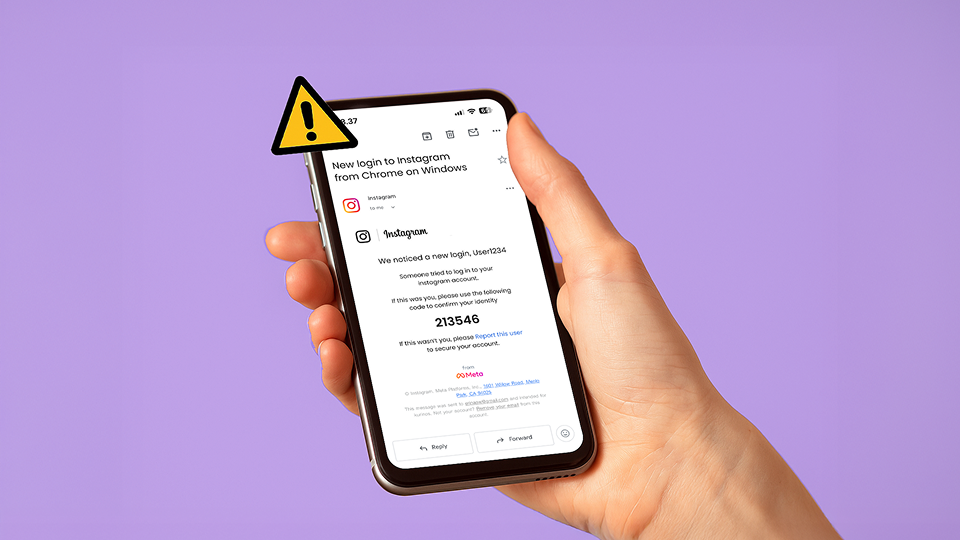
Social media is Gen Z’s playground, and a goldmine for scammers. According to iTWire, nearly half of Gen Z has had their social media passwords hacked (iTWire, 2025). Cyber attackers know exactly how to exploit trust and viral trends to lure you into phishing traps or malicious giveaways.
The Australian Federal Police described it best: some hackers have major rizz and can fool even the smartest Gen Zers into handing over their info (AFP, 2023).
Also read: Why Oversharing Online Is Dangerous
How Gen Z Can Protect Themselves
So what can Gen Zers actually do to stay safe? Here is a straightforward checklist. These actions are simple, practical, and effective:
1. Stick to official sources
Always download games, applications, and media from official marketplaces or trusted developers. Third-party or pirated sources often carry hidden malware or phishing traps that can compromise your data and devices.
Also read: Understanding Malware Threats
2. Activate two-factor authentication (2FA) or multi-factor authentication (MFA)
Yes, it might feel like an extra step, but it is one of the strongest shields you can use to keep your accounts safe. By requiring a second factor (like a code sent to your phone) in addition to your password, you make it harder for cybercriminals to break in, even if they have stolen your password.
Also read: Protect Your Accounts with 2FA – It's Easier Than You Think!
3. Use strong, unique passwords
Recycling the same password across multiple accounts is a huge risk. Instead, create long, unique passwords for each account and consider using a reputable password manager to help you store and manage them securely.
Also read: Stop Making These Common Password Mistakes
4. Verify links and emails
Always double-check links before clicking. Look for unusual spellings, random numbers, or suspicious characters in URLs or email addresses. When in doubt, go directly to the official website instead of following a link from a message or ad.
Also read: Tips to Avoid Scam Websites
5. Be critical of giveaways and promotions
If an offer seems too good to be true (whether it is a free in-game skin, exclusive access to premium content, or an unbelievable discount) pause and verify. Scammers often use these tactics to lure victims into sharing personal data or payment details.
Also read: Think Before You Click! How to Spot Phishing Scams and Protect Your Data
6. Keep your software up to date
Software updates are not just about adding new features. They also fix security vulnerabilities that hackers can exploit. Regularly updating your operating systems, browsers, and apps reduces your risk significantly. But before updating, make sure you know everything that is being updated.
7. Report suspicious activity
If you come across a phishing attempt or think you have been targeted, report it. Many platforms have built-in reporting tools, and local cybersecurity authorities can often help. Sharing what you see also helps protect others in your community.
Also read: What To Do After a Scam: 7 Steps for the First 24 Hours

In short, being part of Gen Z means you are naturally digital, but staying secure requires being intentional and proactive. These steps can make the difference between becoming a victim and staying protected.
Final Take
Hackers know Gen Z is smart, resourceful, and highly adaptable. That is exactly why they are working just as creatively to build scams that feel familiar, authentic, and tailored to your digital habits. Whether you are searching for the latest game skin, streaming a new K-drama, or scrolling through your FYP, the same rule applies: pause, think critically, and question what you see. Staying alert is not about being paranoid, but about protecting yourself in an environment where trust is easily exploited.
Keeping your digital hygiene strong (by using multi-factor authentication, verifying sources, and maintaining unique passwords) is critical. It is the foundation of living and thriving safely in an online-first world. You deserve the confidence to enjoy your digital spaces without constantly worrying about falling victim to increasingly complex scams.
We regularly share insights, practical guides, and the latest cybersecurity updates to help you protect what matters most: your identity, your data, and your peace of mind.
Follow our social media for more insights and updates:
LinkedIn: Cisometric
Instagram: @cisometric
Youtube: @Cisometric
Reference:
Nearly half of Gen Z and Millennials have had their social media passwords hacked
STUDY: Millennials and Gen Z Say They are Bigger Victims of Cybercrime
Press “Play”, stay alert: How cybercriminals exploit the popularity of Gen Z’s favorite games
Bestie that’s not a slay! Gen Z more likely than anyone else to fall victim to cybercrime
Generation Z, the digital generation – an easy prey for the Cyber Hackers