Imagine losing your phone, and a stranger picks it up. They return it to you, but not before secretly cloning all your data (such as photos, messages, social media accounts, financial information, etc.) From that moment on, they know your every move. Sounds terrifying, right?
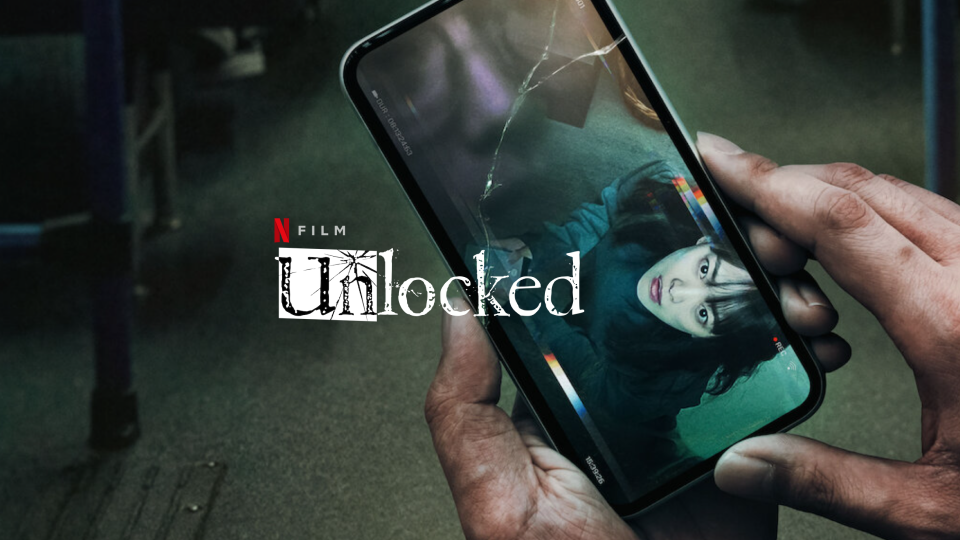
That’s exactly what happens in the Korean psychological thriller ‘Unlocked’ (2023), a gripping movie that dives deep into the dangers of digital privacy breaches. Directed by Kim Tae-joon in his debut, ‘Unlocked’ explores how a seemingly ordinary mistake (losing a smartphone) can spiral into a full-blown nightmare when it falls into the wrong hands.
Unlike high-tech hacking stories, this film takes a more unsettling approach by showing how real-world social engineering and everyday vulnerabilities can be exploited with minimal effort. The scariest part? This isn’t just a work of fiction. Real-life cases have also shown that phone repair technicians and data thieves often snoop through, steal, or even clone personal information from unsuspecting customers. What happens in ‘Unlocked’ may be dramatized, but the underlying cybersecurity risks are all too real.
The Plot is A Digital Privacy Horror Story (Spoiler-Free)
‘Unlocked’ follows the story of Lee Na-Mi, an ordinary woman whose life takes an unsettling turn after she loses her smartphone. This innocent accident then quickly escalates into something far more sinister when an unknown individual gains access to her device.
As Na-Mi goes about her daily routine, she remains unaware that someone is watching—tracking her movements, learning her habits, and infiltrating her digital life. Through seemingly harmless interactions, this mysterious figure slowly begins manipulating her world, blurring the lines between reality and deception.
The film explores the unsettling question: How much of our personal lives are stored in our phones, and what happens if that data falls into the wrong hands? With themes of privacy invasion, social engineering, and digital security, ‘Unlocked’ delivers a suspenseful and thought-provoking look at how dependent we’ve become on our devices—and how vulnerable that makes us.
This Scenario Actually Happens in Real Life
If you think this only happens in movies, think again. Investigations have shown that some device repair technicians snoop through, copy, or even steal data from customers' phones and laptops.
According to a study by the University of Guelph in Canada, 50% of repair technicians accessed personal files from customers' devices, with some even copying sensitive photos and financial data onto their own devices (Ars Technica, 2022). Another report by Channel News Asia found that 12 out of 40 repair shops tested had staff snooping through personal files, with some even copying data onto USB drives without consent (Channel News Asia, 2024).
This isn’t just about curious technicians scrolling through photos. Some cases even go further:
Snooping through emails, social media accounts, and financial documents
Copying and storing sensitive files without consent
Using stolen data for blackmail, financial fraud, or even AI-generated scams
A particularly alarming case happened in Singapore, where a repair technician was stealing intimate images from a customer’s phone and forwarding them to himself via Telegram—a crime for which he was later sentenced to jail (Channel News Asia, 2024).
The scary part? Most repair shops have no clear privacy policies or security controls. Many even require customers to hand over their passwords, giving technicians unlimited access to all stored information (Kaspersky, 2024).
How to Keep Your Data Safe During Phone Repairs
By now, you might be thinking: Okay, this sounds terrifying, but what am I supposed to do? I can’t just stop getting my phone repaired when it’s broken. And that’s the dilemma—most of us have little choice but to trust repair technicians with our devices, assuming they’ll only fix what’s broken and not peek into our personal lives.
But as real-world cases have shown, this trust isn’t always warranted. And unlike in ‘Unlocked,’ where the invasion is orchestrated by a single dangerous individual, the real-world issue is often systemic, happening quietly without most customers ever realizing it.
So, does that mean you should avoid all phone repairs? Of course not. But you can take smart steps to minimize risk. The good news is, there are ways to protect your personal informationbefore handing over your device.
Here’s what you should do before taking your phone or laptop for repair:
✅ Backup and Factory Reset:
Before sending your phone for repair, back up all your data and wipe your device by performing a factory reset. This ensures that no personal files remain.
✅ Remove Memory Cards and SIM Cards:
If possible, take out your SD card and SIM card to minimize data exposure.
✅ Use Guest Mode or Temporary Accounts:
On some Android devices, you can set up a ‘Guest Mode’ before sending it in for repairs. This way, your personal data remains hidden.
✅ Choose Authorized Service Centers:
Stick to official repair centers from your phone manufacturer, as they are more likely to have strict data protection policies.
✅ Demand Transparency:
If a technician asks for your password, question why they need it. In most cases, they don’t actually need full access to your phone to fix hardware issues.
✅ Observe the Repair If Possible:
If the issue is minor, ask if you can watch while they fix it. Many small repair shops allow this, reducing the risk of snooping.
✅ Encrypt Sensitive Files:
If you can’t wipe your device before repair, store your sensitive files in encrypted folders or password-protected archives to make unauthorized access difficult.
Final Thoughts
The movie ‘Unlocked’ is a haunting thriller, but its message isreal and urgent. Our phones store everything about us—our work, relationships, finances, and even our secrets in some cases. When we hand them over to repair technicians, we trust them with our digital lives.
Unfortunately, not all repair shops are trustworthy. Some technicians snoop, steal, and exploit personal data, often without consequences. The best way to protect yourself? Stay aware, take precautions, and never assume that your data is safe just because your phone is in a repair shop.
Think someone you know needs to hear this? Share this article with your friends and family to help them stay informed and protect their data!
Want to learn more about protecting your personal data? Follow us for the latest insights on cybersecurity threats and practical ways to stay safe in the digital world:
For years, Mac users have proudly stated, “Macs don’t get viruses.” It’s been one of Apple’s biggest selling points. Macs were seen as the safer alternative to Windows when it came to cybersecurity.
Silent calls are often the first step in a scam that can lead to phishing, identity theft, or even AI voice cloning. If you’ve been getting more of these lately, be careful. Scammers are using this tactic to confirm active phone numbers and gather data.
Why Expired Domains Matter: Learn From the PeduliLindungi Case
In 2023, Indonesia’s Ministry of Health officially migrated its digital health services from PeduliLindungi to a new platform called SatuSehat. After the transition, the domain pedulilindungi.com was no longer maintained under government control.
Cybersecurity in Indonesia’s Healthcare Industry Needs Urgent Attention
Indonesia has been accelerating the digitization of healthcare services, with mandatory electronic medical records (Rekam Medis Elektronik/RME) enforced under Peraturan Menteri Kesehatan (PMK) No. 24 Tahun 2022 and hospital information management systems
Welcome to cisometric.com! In order to provide a more relevant experience for you, we use cookies to enable some website functionality. Cookies help us see which articles most interest you; allow you to easily share articles on social media; permit us to deliver content, jobs and ads tailored to your interests and locations; and provide many other site benefits. For more information, please review our
Privacy Notice.