


W3LL Phishing Network Dismantled by FBI–Polri, Exposing How Modern Phishing Became Harder to Detect
The Federal Bureau of Investigation (FBI) Atlanta Field Office and the Indonesian National Police (INP) have successfully concluded a multi-...
Oleh Cisometric, Diterbitkan pada Januari 27, 2025
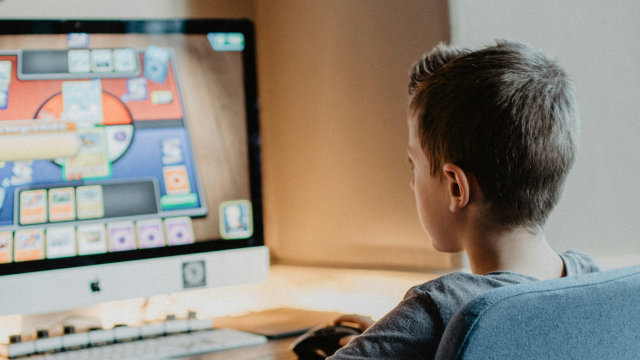
Online gaming has become a favorite pastime, offering endless fun, excitement, and the chance to connect with others across the globe. For children and teenagers, these games are more than just entertainment—they’re virtual playgrounds where they can make friends, compete, and unleash their creativity. But while they’re immersed in thrilling adventures, there’s a hidden danger that we need to be aware of behind the screens.
What many people don’t realize is that these same virtual spaces are increasingly becoming hunting grounds for hackers and scammers. From cleverly disguised phishing attempts to manipulative social engineering, cybercriminals are finding innovative ways to exploit. And especially children in this case, with their trusting nature and lack of experience, are particularly vulnerable targets.
Also read: Think Before You Click! How to Spot Phishing Scams and Protect Your Data
The consequences of these attacks can be far-reaching. A mistake that might seem innocent—like sharing a password with an “online friend” or clicking a link promising free in-game rewards—can lead to compromised accounts, financial losses, or even worse, a breach of sensitive family data. Imagine a child’s gaming account becoming the backdoor to your personal emails, bank accounts, or even your private family photos.
The threat is real, and it’s growing. Yet, the risks associated with online gaming are often overlooked. Many parents aren’t aware of how these threats can affect not just their child’s safety but also the entire family’s privacy. Meanwhile, young gamers may not understand the importance of protecting their online presence or recognizing red flags in virtual interactions.
This isn’t just a problem for gamers—it’s a wake-up call for everyone. Parents, guardians, educators, and even casual observers have a role to play in addressing these risks. By understanding the dangers and taking proactive steps to safeguard children, we can ensure that their gaming experiences remain fun, enriching, and secure.
So, what are these threats? How do scammers target children in online games? And most importantly, how can we protect these young gamers? Let’s dive into the hidden dangers of online gaming and learn how to stay one step ahead of the cybercriminals.
How Hackers Target Children in Online Games
Children often interact with strangers in online games, whether they’re forming teams, trading items, or simply chatting during gameplay. Unfortunately, these interactions can sometimes lead to scams or even security breaches. Here are a few ways hackers can exploit children:
Concerning Cases of Gaming Scams
In recent years, popular online games such as Roblox, Fortnite, and Minecraft have become prime targets for cybercriminals aiming to exploit young gamers. These platforms' immense popularity among children makes them susceptible to various scams and malicious activities.
Roblox, a platform with over 60 million users—half of whom are under 13—has seen a significant rise in phishing attacks. As reported by Kapersky and WIRED, in 2022 alone, nearly 40,000 users attempted to download malicious files disguised as legitimate Roblox content, marking a 14% increase from the year before. These scammers often create fake websites mimicking the official Roblox pages, luring children with promises of free in-game currency (Robux) or exclusive items. These scam sites are designed to capture login credentials or prompt users to download malware.
Same thing happened to Fortnite, which is known for its in-game currency called V-Bucks. Cybercriminals set up fake websites claiming to offer free V-Bucks, tricking players into providing personal information or downloading malicious software. These scams often use search terms related to Fortnite to appear legitimate, even utilizing domains like ".gov" or ".org" to deceive users.
For Minecraft players, particularly those seeking mods and cheats, have also been targeted through malicious applications. In early 2023, attackers compromised popular mods and modpacks, inserting malware known as "Fractureiser." This malware infected users' devices, leading to data breaches and unauthorized access. Additionally, fake "helper apps" promising enhanced gameplay have been found to contain spyware, compromising personal and family data.
These incidents highlight the pressing need for awareness and proactive measures to protect young gamers from cyber threats.
It’s not just the children’s gaming accounts that are at risk here. Online gaming accounts are often linked to email addresses, which may serve as gateways to other services like cloud storage, social media platforms, or even financial accounts. When hackers gain access to one account, they essentially have a potential backdoor into the entire digital data of the user and, in some cases, their family.
For example, consider a child’s gaming account that is connected to a parent’s email address for password recovery or subscription billing. If hackers successfully compromise the gaming account, they could use that connection to reset email passwords, access sensitive information, and potentially steal financial details stored in the email. From there, they could drain bank accounts, make fraudulent purchases, or even engage in identity theft.
The trusting and curious nature of children amplifies these risks. Kids are naturally more willing to share information with strangers, especially when approached in a friendly or persuasive manner. A scammer posing as a fellow gamer might ask for details like a birthdate, a parent’s name, or even the family’s address, all under the disguise of friendship or teamwork. These small bits of information, when pieced together, can form a complete picture that cybercriminals can exploit for malicious purposes.
Moreover, malware or spyware delivered through fake game mods or phishing links can also compromise not only the child’s device but any device connected to the same network. Imagine a family computer, used for work, finances, and personal communications, being exposed because of a malicious app downloaded during gameplay.
Protecting yourself, your circle as well as other young gamers in the online world starts with awareness and good habits. Here are some actionable steps to keep your loved ones safe:
Also read: Stop Making These Common Password Mistakes
Final Thoughts
Virtual gaming can be extremely fun and enriching, but it’s also becoming a playground for cybercriminals. By staying informed and proactive, you can help ensure that your circle—you, your children and your family—remain safe while enjoying online games.
Let’s equip the next generation with the tools and knowledge they need to navigate the digital world with confidence.
Follow us on LinkedIn to stay updated with more Cybersecurity Tips like this.
LinkedIn: Cisometric
The Federal Bureau of Investigation (FBI) Atlanta Field Office and the Indonesian National Police (INP) have successfully concluded a multi-...

For years, ransomware has been one of the most disruptive cyber threats facing organizations. It can lock critical files, stop business oper...

Scattered Spider is a cybercrime collective known for turning social engineering into a precision, identity-first attack method. Instead of...
Cari Artikel Berdasarkan Kategori
Kami menggunakan cookie untuk meningkatkan pengalaman menjelajah, menganalisis lalu lintas situs, dan menyajikan konten yang relevan. Pilih cookie mana yang Anda izinkan. Kebijakan Privasi