

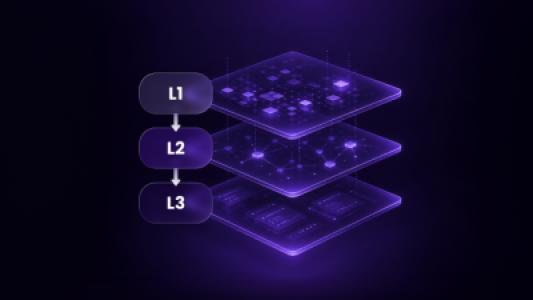
Tier SOC Analyst: Bagaimana L1, L2, dan L3 Bekerja Sama dalam Investigasi Keamanan
Pahami peran L1, L2, dan L3 dalam tim SOC, bagaimana proses eskalasi bekerja, serta bagaimana setiap tier saling terhubung untuk mendukung p...
Oleh Cisometric Marketing Team, Diterbitkan pada Agustus 24, 2025
When you picture a Security Operations Center (SOC), you might imagine walls of screens, streams of alerts, and a dashboard that looks like it belongs in a sci-fi movie. And yes, the technology is impressive. But the truth is, all the AI, machine learning, and detection tools mean little without the right people behind them.
Because in cybersecurity, tools can detect, but it’s people who decide what to do next. And the difference between a minor security setback and a multimillion-dollar breach often comes down to how skilled, prepared, and collaborative that SOC team is.
Also read: What Makes a Next Gen SOC and Why Your Business Needs One Now
A Security Operations Center is not defined solely by the technology it deploys. The strength of any SOC lies in the balance between people, technology, and process: three elements that must work together seamlessly to detect, investigate, and respond to threats effectively.
When these pillars are aligned, the SOC functions as an integrated defense system, capable not only of reacting to incidents, but of anticipating and preventing them. Without this alignment, even the most advanced technology risks becoming an expensive set of unused dashboards, and processes can become rigid checklists disconnected from real-world threats.
This article will now focus on the first and most important pillar, the people, and explore the key roles within a SOC, the tools they use, and how their skills shape the effectiveness of the entire operation.
Before diving into the specific roles, it’s worth remembering that not all SOC teams are alike. Their structure often reflects the size of the organization, the complexity of its IT environment, and the nature of the threats it faces. Still, there are core functions you’ll find in most SOCs, and at the heart of them are the analysts.
These analysts are investigators, incident responders, and proactive threat hunters, each operating at different levels of depth and expertise. Together, they form the layered defense that allows a SOC to detect and neutralize threats before they escalate.
1. SOC Analysts: Tier 1, Tier 2, Tier 3
SOC Analysts are your eyes on the screens. But not all analysts do the same job. The SOC is structured in tiers, each handling increasingly complex tasks (Swimlane, 2023; Radiant Security, 2025).
Tier 1 – The First Responders
Tier 2 – The Investigators
Tier 3 – The Threat Hunters
2. SOC Engineers: The Architects
If analysts are firefighters, SOC Engineers are the ones building the fire stations and designing the hydrants. They set up the systems, fine-tune configurations, and make sure the SOC’s technology is running at peak performance (Martin Bassey, 2025).
3. SOC Managers: The Strategists
The SOC Manager manages people, while also managing the fight. They set priorities, allocate resources, oversee incident response, and make sure the SOC meets compliance requirements (Swimlane, 2023).
4. Supporting Roles
In larger SOCs, you’ll also find:
Measuring SOC performance goes further than answering the simple question of “Did we block the attack?” An effective SOC is not just reactive, but it also has to be proactive, consistent, and constantly improving. Performance is best evaluated through a combination of speed, accuracy, and preparedness, each reflected in measurable indicators:
The average time it takes to spot a threat after it has entered the environment. A shorter MTTD means attackers have less opportunity to move laterally or cause damage.
The speed at which the SOC contains and mitigates an incident once detected. The faster this is, the less impact on operations and data integrity.
How long an attacker stays in the system undetected. Reducing dwell time is critical, as prolonged access often leads to more severe breaches.
The percentage of alerts that turn out to be non-issues. Lower rates free analysts to focus on genuine threats instead of chasing down harmless anomalies.
The degree to which SOC operations adhere to frameworks and regulatory standards such as ISO 27001, SOC 2, and OJK requirements, ensuring not just security but also legal defensibility.
At Cisometric, these metrics are part of a continuous feedback loop. Cisometric’s SOC, for example, operates with an uptime SLA of 99.9% and responds to critical incidents in under five minutes. This is made possible through AI-driven detection that filters and enriches alerts in real time, combined with a dedicated human team trained to act decisively.
It’s this balance (rapid detection, accurate response, and structured readiness) that transforms a SOC from a monitoring function into a true business safeguard.
Also read: What Makes a Security Operations Center (SOC) Truly Effective?
Human Intelligence: The Final Line of Defense
AI and automation have redefined how SOCs operate where they are able to sift through millions of logs, correlate patterns across diverse systems, and surface anomalies in seconds. This has dramatically reduced false positives and freed analysts from repetitive triage work (Radiant Security, 2025).
Also read: AI and Machine Learning, the Future of Cybersecurity
But no matter how advanced the technology becomes, cybersecurity is still a human-led mission. Algorithms excel at processing speed and pattern recognition, yet they lack the full context of a business, its priorities, and the nuances of human behavior.
It’s not just the tools that matter, but the impact of those tools comes down to the people who wield them. Two SOCs might have identical technologies, but their effectiveness can differ dramatically based on the skills, collaboration, and decision-making of their teams.
The most resilient SOCs are not those that replace humans with automation, but those that blend the strengths of both: using AI to supercharge human decision-making, and human expertise to guide and refine the technology.
Behind every secure business is a Security Operations Center (SOC) team that works quietly in the background. They’re the ones who prevent threats before they make headlines, who see beyond the alerts to the patterns that matter, and who know that in cybersecurity, it’s not the tools that win, it’s the people using them with precision and purpose.
A well-run SOC isn’t just a monitoring center; it’s a living, adaptive defense capability. It blends technology, process, and most importantly, human expertise to ensure that threats are detected early, decisions are made quickly, and responses are both effective and strategic.
That’s exactly what Cisometric’s SOC delivers. Our next-generation SOC combines 24/7 human-led monitoring with AI-driven detection, industry-proven processes, and rapid incident response, ensuring your business is protected against everything from everyday threats to high-impact attacks.
Strengthen your company defenses now with the right people, technology, and processes on your side. Book a free consultation with our SOC team today, click here.
For more updates on digital scams, cybersecurity insights, and expert tips, follow our social media:
LinkedIn: Cisometric
Instagram: @cisometric
Reference:
The Key SOC Team Roles and Responsibilities
SOC Analyst Tier 1 vs. Tier 2 vs. Tier 3: Key Differences & Responsibilities
How to Build a Tiered SOC Team: Roles, Actions, and Workflow
Pahami peran L1, L2, dan L3 dalam tim SOC, bagaimana proses eskalasi bekerja, serta bagaimana setiap tier saling terhubung untuk mendukung p...
Panduan arsitektur deteksi MITRE ATT&CK framework, distribusi 15 taktik, logika korelasi SIEM, dan cara mengukur efektivitas cakupan SOC yan...
A phishing email can now be written with near-perfect grammar, a fake executive voice can sound familiar enough to trigger trust,
Cari Artikel Berdasarkan Kategori
Kami menggunakan cookie untuk meningkatkan pengalaman menjelajah, menganalisis lalu lintas situs, dan menyajikan konten yang relevan. Pilih cookie mana yang Anda izinkan. Kebijakan Privasi