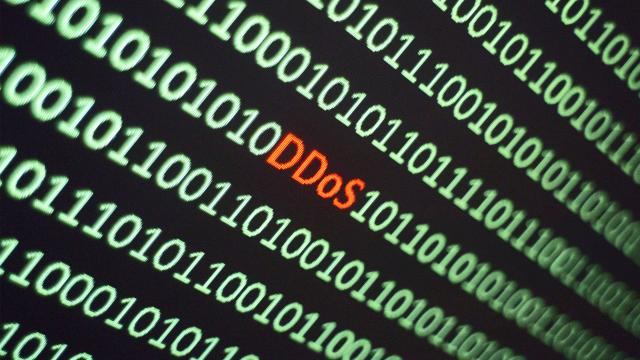
Since December 2024, a series of Distributed Denial-of-Service (DDoS) attacks have targeted major Japanese corporations, including MUFG Bank, Japan Airlines (JAL), and Resona Bank. These attacks, which reached their peak between December 27, 2024, and January 10, 2025, caused widespread disruption—halting banking services, delaying flights, and frustrating customers. According to Resona Bank, their internet banking services were down for nearly four hours, affecting not only individuals but also other banks within their group, like Minato Bank and Kansai Mirai Bank (Kyodo News, Dec 31, 2024.)
The recent incidents are part of a concerning trend, with reports from Trend Micro identifying botnets as the likely culprits. These botnets flooded networks with excessive traffic, overwhelming systems and leading to service outages. The question is, why is this happening now, and what does it mean for the future of cybersecurity in Japan?
What is a DDoS Attack?
Imagine driving on a highway, only to be stuck in an unexpected traffic jam caused by hundreds of unnecessary cars blocking the road. That’s essentially what a DDoS attack does to websites and networks. By overwhelming systems with fake traffic generated from multiple devices (often unknowingly infected with malware), attackers make it impossible for legitimate users to access services.
Also read: Understanding Malware Threats
According to Cloudflare, DDoS attacks are easy to launch and often involve compromised IoT devices or computers controlled by attackers. They’re very troublesome and costly. From delayed flights to disrupted banking systems, the consequences ripple far and wide for various industries.
How Japan is Feeling the Impact
The recent DDoS attacks on Japan have highlighted just how vulnerable even the most advanced economies can be:
Service Outages: Several notable banks experienced network failures, causing interruptions to online banking services. Japan Airlines also faced flight delays and internal system disruptions.
Inconvenienced Customers: People couldn’t access critical services like banking apps or purchase tickets online, leading to frustration, chaotic arrangements and loss of trust.
Business Disruptions: The attacks disrupted operations across various sectors, from transport to telecommunications, showing that no industry is immune when these attacks strike.
While no customer data was reported stolen, the economic and reputational damage from this tragedy is undeniable. As cybersecurity experts warn, these attacks might just be a precursor to larger, more targeted campaigns.
How to Stay Safe Against DDoS Attacks
With DDoS attacks becoming more common and sophisticated, businesses and individuals alike need to stay vigilant. Here’s how:
Invest in DDoS Protection Tools: Tools like Web Application Firewalls (WAFs) and traffic monitoring systems can detect and block malicious traffic before it overwhelms networks
Adopt a Proactive Security Strategy: Companies should conduct regular vulnerability assessments and implement layered security measures to reduce risks
Create an Incident Response Plan: Being prepared for a cyberattack can make all the difference. Ensure your organization knows how to respond to minimize downtime
Collaborate with Cybersecurity Experts: Partner with us and experience how our next-generation Security Operations Center (SOC) provides advanced monitoring, threat intelligence and rapid response capabilities. When integrated with DDoS protection tools, your organization will be equipped to withstand any DDoS attack
Also read: From Alert to Resolution: Inside the Incident Response Lifecycle of Cisometric's Managed SOC Service ; Staying Ahead of Threats with 24/7 SOC Proactive Monitoring
For individuals, being aware of signs of DDoS activity—like unusually slow websites or app outages—can help you avoid becoming a victim to further cyber threats.
Conclusion
The DDoS attacks on Japan’s major corporations are a wake-up call for businesses worldwide, no matter the industry. Cybersecurity is no longer just a technical issue—it’s a business-critical priority. As these incidents show, even giants like MUFG and JAL can be brought to a halt by attackers armed with botnets.
So, the next time you’re logging into your banking app or booking a flight online, think about the unseen battle happening in cyberspace. Are we doing enough to protect ourselves and our organizations from the next wave of attacks? For businesses, the message is clear: it’s time to act before disruption becomes the norm.
By leveraging services like our Security Operations Center, can be your game-changer. With our next-gen SOC, your company will be able to gain access to proactive monitoring, cutting-edge threat intelligence, and rapid response capabilities that help you stay a step ahead of evolving cyber threats. Together, let’s secure your systems and protect what matters most.
Schedule a meeting with our team today to get started.
Follow us on LinkedIn to stay updated with more Cybersecurity Updates like this.
LinkedIn: Cisometric